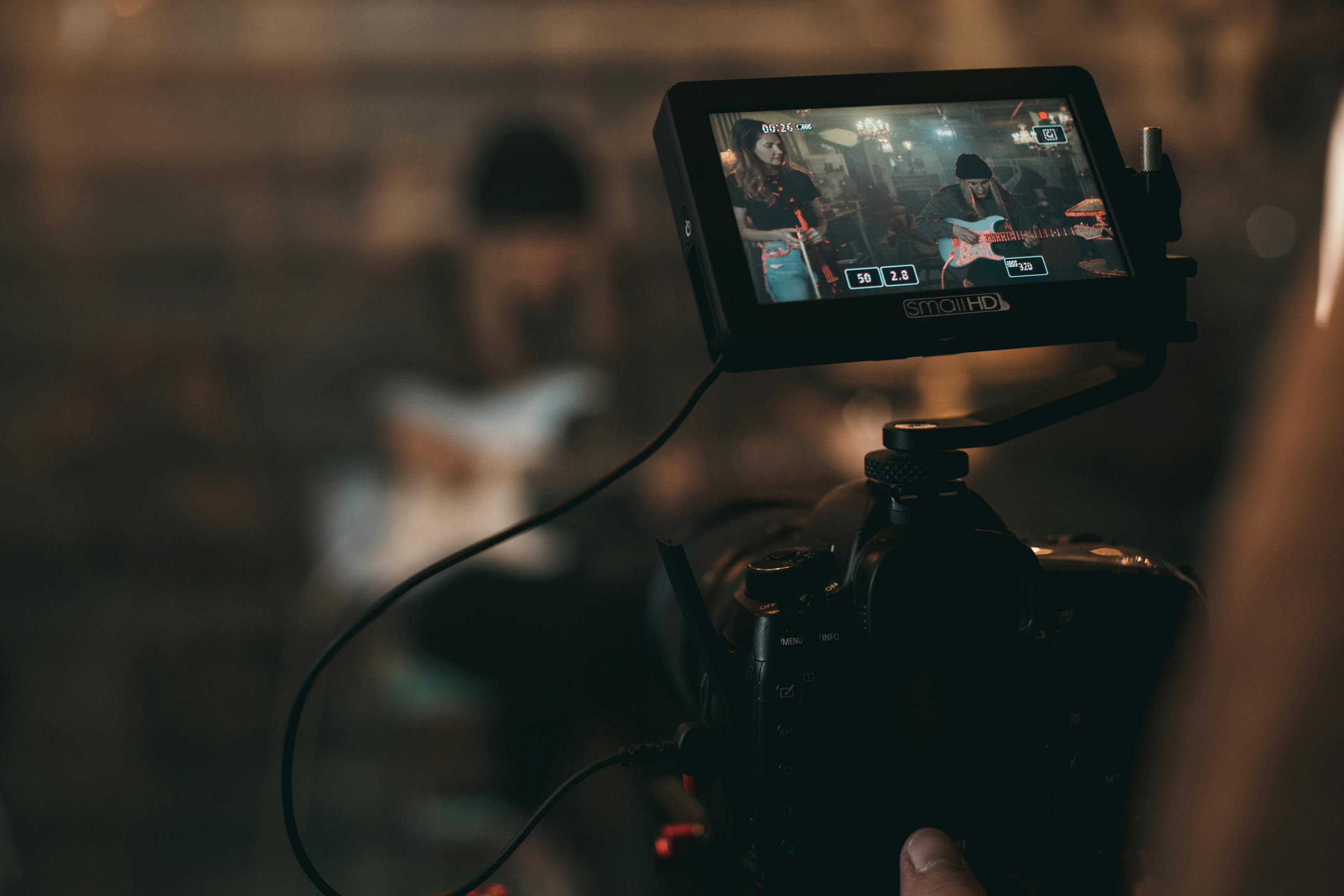
.png)
Getting cast proves you're right for the role. The shoot day proves you're easy to work with, and that's what gets you booked again.
Look at the day from the production's side. A location booked for a fixed number of hours. Permits with conditions. A lighting setup built around one actor's first scene. If that actor arrives forty minutes late, or turns up without the wardrobe they were asked to bring, everyone on the call sheet waits with them, and the schedule never quite recovers.
Nobody expects you to know how every department works. They do expect you to be ready, reachable and easy to direct. Here's how, from the evening before until after the wrap.
In this article
The day before: read everything, ask early
You'll usually get the details from MR Casting or the production in a message or a call sheet: call time, location pin, how long you're needed, wardrobe, whether hair and makeup are provided, and what to bring. Read all of it the day before, not in the car.
If anything is unclear, ask that day: the parking, whether you need your ID, which outfit to bring. If you have an allergy, a medical need or prayer times you'd like to plan around, say so now so it can be built into the schedule.
Pack the basics:
- Your ID and a phone charger
- Water, any medication you need, and something small to eat on a long day
- If you were asked to bring clothes: 2–3 clean, ironed options close to the brief, without big logos or busy patterns unless they were requested
Call time means ready, not arriving
Your call time is when you start work, not when you pull into the parking. Leave time to find the location, sign in, change and get to hair and makeup. Arriving a little early is normal on a professional set.
In Riyadh and Jeddah, traffic decides this more than anything else. Plan your route the night before, and allow extra time if the location is outside the city or new to you. Productions shoot far beyond Riyadh and Jeddah, as our guide to shooting locations in Saudi Arabia shows. During Ramadan, double-check your call time, because schedules can shift away from the usual day. If you're going to be late anyway, tell your contact the moment you know. An early warning helps far more than an apology on arrival.
Know who to listen to
You don't need to know every job on set. You do need to know where your instructions come from:
- The director gives notes on your performance.
- The assistant director (AD) runs the schedule: calls you to set, tells you when to wait and when you're released.
- Your MR Casting or production coordinator handles logistics: timing, payment, paperwork and problems.
- Wardrobe, hair and makeup are in charge of how you look on camera.
If someone else passes a comment on your performance, check with the director or AD before changing anything. When you get a note, take it calmly and try it, without explaining why you did it differently. Adjusting quickly is one of the main reasons casting teams recommend the same talent again. On international productions where the director doesn't speak Arabic, notes may reach you through an Arabic-speaking AD or a coordinator; our checklist for international crews shooting in Saudi Arabia explains how productions plan this.
Phones, photos and privacy
Many ad campaigns and series are confidential until launch. Don't film behind-the-scenes clips, photograph the product, or post anything that shows the location, the brand or other cast without clear permission. Some clients allow no behind-the-scenes content at all. Others allow it once the campaign is live. Ask first, then do what you're told.
When the AD calls for quiet, that means everyone, including people who aren't in the shot. Keep your phone on silent and out of sight.
Wardrobe, makeup and continuity
Once you're dressed and made up, you're part of continuity: how you looked in one shot has to match the next, sometimes hours later.
- Don't adjust your hair, makeup or outfit yourself. Ask the team if something feels wrong.
- Ask before eating or drinking anything other than water in costume.
- Notice the small details: a watch, a rolled sleeve, where your shemagh or hijab sat in the last shot.
Lines and the script
Arrive knowing your lines, and expect small changes on the day. Some productions work from scripts approved in advance (Film Saudi's FAQ explains script approval and permits for productions in the Kingdom), so don't add or change wording unless the director asks you to. If the dialogue includes names, brands or places, in Arabic or English, check the pronunciation before the take, not during it.
Waiting is part of the job
Shoot days involve a lot of waiting. You might sit for an hour and then be needed in thirty seconds. Stay close and stay ready, save your energy for the takes, and don't slip off to your car or a nearby café without telling the AD. Outdoors in summer, keep drinking water and tell the team if you feel unwell. Don't push through it. Extras on crowd scenes spend much of the day waiting too, which is why good productions plan shade, water and a proper holding area (see how producers plan extras for a Saudi shoot).
Be courteous to everyone, from drivers and catering to the client. People remember how they were treated, and they talk about it.
After the wrap
Thank the team before you leave. Questions about your agreement, payment or the release date go to your MR Casting contact, not the client or the crew. Don't ask the photographer for the final files: usage and delivery go through the client or production company under the terms agreed for the project.
When the campaign is out and you're allowed to share it, add the project to your MR Casting profile. If it's still confidential, wait.
How the shoot day shapes your next booking
At MR Casting, our view of you doesn't end at the casting. After a shoot we look at the same simple things. Did you arrive on time? Did you follow instructions? Were you respectful? Did your performance hold up over many takes? Talent who make the production day easier are the people we can recommend with confidence next time.
Frequently asked questions
How early should I arrive?
Early enough to sign in, change and get to hair and makeup before your call time. Allow for traffic and for finding an unfamiliar location.
What if I'm going to be late?
Message your contact as soon as you know, with a realistic arrival time. Don't wait until your call time has passed.
Can I post behind-the-scenes content?
Only with clear permission from the production. Many projects stay confidential until launch.
Does how I behave on set affect future castings?
Yes. Punctuality, calm and following direction are part of how casting teams decide who to recommend again.
Not booked yet?
Start with getting cast. Read our guides to self-tapes and headshots, and models can see our commercial modeling tips. Then create your free talent profile and browse casting opportunities. Every profile is reviewed, registering doesn't guarantee work, and we contact you when a project fits.